Common Fire Protection Problems in Colorado Properties: Missed Testing, Disabled Devices, and Documentation Gaps
Walk through enough commercial buildings in Colorado and certain patterns show up fast. The panel has a trouble light nobody can explain. A sprinkler riser room is packed with storage. The extinguisher tags are inconsistent. Someone says the annual inspection happened, but nobody can produce the reports. None of these issues look dramatic in the moment, which is exactly why they linger.
Most fire protection failures in real buildings are not caused by some exotic technical defect. They come from ordinary drift. A missed service interval turns into two. A device gets shut off during construction and never restored. Records sit in an inbox instead of where an inspector or service technician can actually find them. Then the property gets a visit from the authority having jurisdiction, or worse, a real emergency exposes the gap.
In Denver and across Colorado, that drift matters. Denver’s Fire Prevention Division, the Fire Marshal, and the Fire Code Official all have a role in enforcing fire code requirements and inspecting hazards, including disabled life safety systems. Commercial and institutional properties are typically inspected about every 12 months, and those inspections can include exits, emergency lighting, fire-resistive separations, fire lanes, and test records for fire safety systems. If something is wrong, owners can be ordered to correct it.
That is the practical backdrop for commercial fire protection Colorado owners deal with every year. The work is not only about equipment. It is also about timing, permits, acceptance, and paperwork that proves the system is ready when needed.
The most common problem is not failure, it is neglect that compounds
A lot of owners expect fire protection trouble to announce itself loudly. Sometimes it does. More often, it stays quiet until an inspection, tenant complaint, renovation, or alarm event forces attention.
The three trouble spots that appear again and again are missed testing, disabled devices, and documentation gaps. They overlap more than people think. If a system is not tested on time, small impairments can go unnoticed. If devices are disabled for maintenance or tenant work, poor documentation makes it harder to confirm they were restored. If records are weak, even a properly maintained system can look noncompliant because nobody can verify what was done.
That is one reason NFPA compliance inspections Colorado are such a recurring topic in facility management conversations. The standards people hear about most often are NFPA 72 for fire alarm and signaling systems and NFPA 25 for the inspection, testing, and maintenance of water-based fire protection systems. In practice, those standards shape the routine care of alarms, sprinklers, supervisory components, and related system functions. They set the expectation that these systems are not install-and-forget assets.
In a place like Denver, where annual inspections are a regular part of the landscape, a building can carry hidden fire protection debt for a while, but not forever.
Missed testing tends to start with scheduling, not intent
Very few managers decide to skip inspections on purpose. What usually happens is more mundane. A staff change leaves no one clearly responsible. A service visit gets pushed because a tenant cannot provide access. Construction work creates moving targets. The building changes hands and nobody reconciles old reports with current system inventory.
Then the property is suddenly behind.
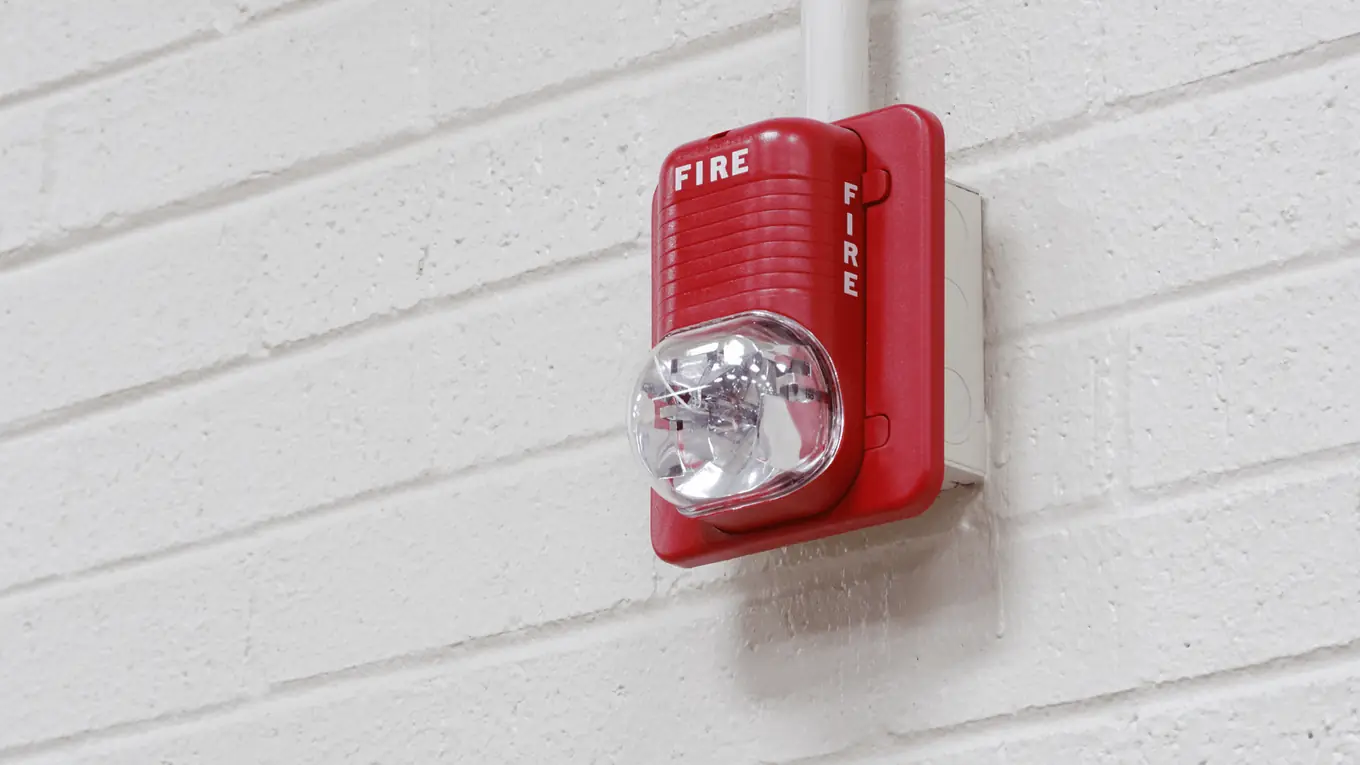
For alarm systems, the oversight often starts with the assumption that a quiet panel means a healthy system. That is not enough. NFPA 72 addresses design, installation, inspection, testing, maintenance, and emergency communications systems. In the field, that means fire alarm monitoring Denver clients cannot rely only on remote signal transmission or panel status. Monitoring tells you something about communication and events. It does not replace the required inspection and testing work that confirms the system’s devices and functions still operate as intended.
The same pattern shows up with sprinkler systems. A water-based system can look fine from the hallway while developing issues in valves, gauges, supervisory components, or test records. NFPA 25 exists because these systems require ongoing inspection, testing, and maintenance. Owners looking for fire sprinkler installation Denver support sometimes focus heavily on the initial project and not enough on the years that follow. Installation is only the first chapter.
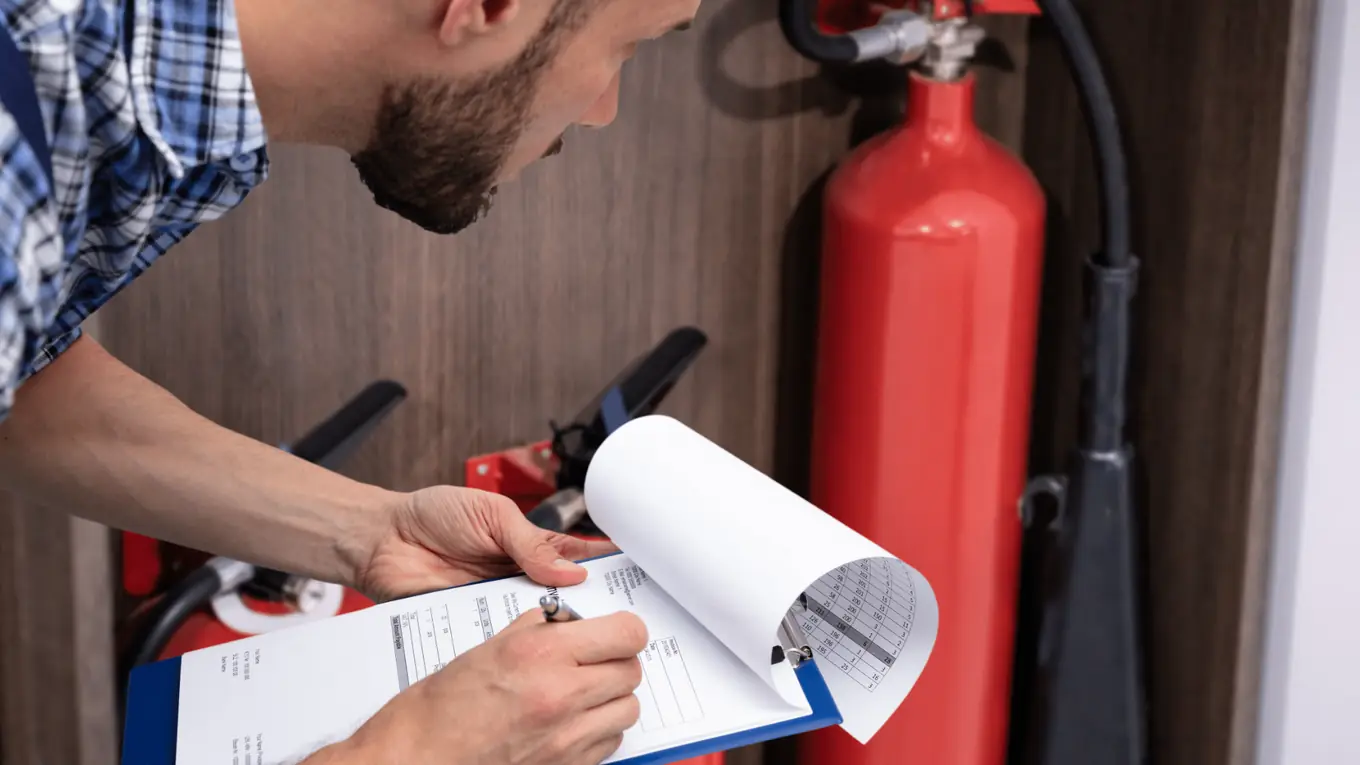
A fire pump adds another layer. If a property has one, routine attention becomes even more important. Fire pump inspection Denver work is not something to leave vague in the maintenance calendar. Pumps sit idle for long stretches, and any neglected condition tends to stay hidden until someone deliberately verifies performance. The same is true for backflow assemblies associated with fire protection water supplies. Backflow inspection Denver scheduling often gets treated as separate from the rest of the fire system, even though from a building operations standpoint the records and timing need to line up cleanly.
When missed testing piles up, the consequences are not just technical. They become administrative and operational. Technicians need more time on site. Access coordination gets harder. Deficiencies multiply. A straightforward annual inspection turns into a catch-up project.
Disabled devices are often created by normal building activity
If missed testing is the most common administrative problem, disabled devices are probably the most common operational one.
Buildings are always changing. Tenant improvements happen. Dusty work starts. Ceilings open. A detector is covered to avoid nuisance alarms during construction. A control valve is closed for repair. Notification appliances are temporarily taken out of service in a remodel area. None of those actions is automatically reckless. The real danger comes when temporary conditions outlive the task that justified them.
Denver’s enforcement framework explicitly includes disabled life safety systems among the hazards that may be inspected. That should tell property owners something important. Authorities know this is a recurring issue. They are not only looking for broken hardware. They are looking for systems that have been intentionally or accidentally compromised.
One of the more frustrating versions of this problem happens during renovation. Denver requires permits for most construction, alteration, or repair work on private property, and the city’s plan review process includes fire protection engineering review. For fire alarm and fire protection permits, acceptance or approval is required before final sign-off. Colorado law also says fire suppression system installation, modification, alteration, or repair generally cannot begin until required permits are obtained, the job is registered, and working plans and hydraulic calculations are reviewed and approved.
That matters because unpermitted or loosely managed work is where disabled devices and undocumented impairments multiply. A contractor moves faster than the paperwork. A ceiling contractor shifts heads or devices without full coordination. Someone assumes another trade restored supervision or reactivated a zone. Weeks later, the building staff discovers the system is not in the state they thought it was.
This is one reason emergency fire protection Denver calls can be expensive and disruptive. The emergency itself is often the end point of a longer chain of weak controls. What feels like a sudden problem on Friday afternoon may actually be the result of six small decisions made over two months.
Documentation gaps create avoidable friction with inspectors and service teams
There is a version of compliance that exists in people’s memory, and another version that exists on paper. Only one of those survives an inspection.
Documentation gaps are common because recordkeeping rarely feels urgent when the building is busy. A report is emailed but not saved to the right folder. A deficiency quote is approved, but the completion paperwork never gets attached to the original inspection. The last tenant improvement changed device counts, but the as-built set available on site is still the old one.
During a Denver inspection, that sloppiness can become visible quickly. Fire safety inspections may review test records for fire safety systems, along with other life safety features. If the records are incomplete, out of date, or scattered, the building team loses time proving what has and has not been done. Even when the hardware is in fair condition, bad documentation can make the entire fire protection program look unmanaged.
This issue hits every system category. For fire extinguisher inspections Denver properties need current evidence of service and clear placement in the building. For fire alarm work, system history matters, especially after modifications. For water-based systems, reports, deficiencies, repairs, and follow-up testing need to tell a coherent story. For projects tied to fire system certification Colorado requirements or final approvals, missing records can delay closeout.
A building owner once told me, half joking, that the system was “probably compliant, just not in a way anyone could prove.” That is a funny line until an inspector asks for reports, or a new service contractor needs to understand what happened over the last two years.
What inspectors and technicians notice first
The first clues are usually simple. A seasoned inspector or service technician does not need an hour to tell whether a property is managing its life safety systems well. They can usually sense it in the first few minutes.
Here are five warning signs that show up often:
- Nobody on site knows where the latest inspection and test reports are stored.
- A panel has trouble, supervisory, or impairment conditions that staff treat as normal.
- Access to riser rooms, control valves, or alarm equipment is blocked or inconsistent.
- Recent tenant or construction work occurred, but no one can explain what fire protection changes were made.
- Deficiencies from a prior visit were quoted, but there is no clear record showing correction and retest.
None of these automatically means the building is unsafe. They do signal that the management process is weak. Weak process is where larger problems grow.
Denver and Colorado add a layer of timing and approval that owners cannot ignore
A lot of frustration around fire protection comes from treating code, permits, and inspections as separate tracks. They are not separate in practice. They interact constantly.
Denver has adopted new 2025 Building and Fire Codes effective December 31, 2025, with some projects allowed to use either the 2025 or 2022 code set depending on submittal date. That means project teams need to know which code path applies before they assume design details, permit strategy, or acceptance expectations. It also means owners should not assume that what was acceptable on a past job automatically governs the next one.
On the suppression side, Colorado law is especially clear that installation, modification, alteration, or repair generally cannot start until permits are secured, the job is registered, and plans and hydraulic calculations are reviewed and approved. That is not just legal fine print. It is one of the practical controls that reduces undocumented field changes and last-minute surprises.
For owners pursuing fire suppression systems Denver upgrades or tenant work, the lesson is straightforward. If the scope touches life safety systems, bring fire protection planning into the conversation early. Do not wait until drywall is up and someone realizes a device has to move or a hydraulic impact was overlooked. Delayed coordination is one of the fastest routes to disabled devices, failed inspections, and expensive rework.
Why routine annual attention beats large corrective projects
Denver’s annual inspection rhythm is helpful because it creates a forcing function. Buildings get looked at. Records get reviewed. Conditions get revisited. But annual oversight only works well when the property team treats the year between inspections as active management time, not dead time.
The economics are pretty simple. A steady program of fire safety inspections Denver properties can rely on is usually cheaper and less disruptive than periodic catch-up campaigns. Catch-up work often means after-hours access, special coordination, tenant communication, rush replacement parts, and repeat trips. Denver’s guidance also notes that this website special inspections can occur outside normal business hours when needed, which can further complicate scheduling and cost.
Owners tend to feel the difference most acutely in occupied commercial spaces. Hospitals, schools, mixed-use developments, offices, and retail sites all have their own access challenges. A neglected system may still be repairable, but bringing it back into shape around tenants is never as easy as staying current in the first place.
That is why the strongest commercial fire protection Colorado programs usually look boring from the outside. They are calendar-driven. They reconcile deficiencies promptly. They keep reports in one place. They coordinate service with construction instead of after construction. Boring is good here. Boring means fewer surprises.
The paperwork that actually matters
Some building teams overcomplicate recordkeeping, while others do almost none. The sweet spot is practical, organized, and easy for a stranger to understand.
A useful fire protection file should make it easy to answer a few basic questions. What systems are in the building today? What was inspected and when? What deficiencies were found? What was repaired? What work is still open? What changes were made under permit, and were they accepted?
That does not require a fancy platform. It requires discipline.
The essentials usually include these items:
- Current inspection and test reports for alarm, sprinkler, extinguishers, pumps, and related fire protection components, as applicable.
- Records showing deficiency correction, including dates and any follow-up testing or verification.
- Permit and approval records for system modifications, tenant improvements, or suppression work.
- Current drawings or as-built information that match the building’s present configuration.
- A simple site contact trail showing who is responsible for access, service coordination, and compliance follow-up.
When these basics are maintained, inspections move faster, service calls get sharper, and ownership has a clearer sense of actual risk. When they are missing, everyone works from memory, which is a poor control method for life safety systems.
Small gaps become bigger in high-turnover or fast-changing properties
Some properties are naturally more vulnerable to fire protection drift. Multi-tenant commercial buildings, mixed-use sites, and facilities with frequent remodels can lose system clarity quickly. Every new tenant wants layout changes. Every layout change can affect devices, sprinkler coverage, or egress conditions. If the landlord, tenant, and contractors are not aligned, even a solid original system can become hard to manage.
That is also why fire alarm monitoring Denver service should be understood as only one part of the picture. Monitoring is important, but it does not fix device placement errors after a remodel, prove acceptance on new work, or organize the building’s records. The same goes for new fire sprinkler installation Denver or upgraded suppression work. New equipment helps, but process is what preserves it.
Properties with high staff turnover face a different version of the same problem. The system may be fine, but institutional memory disappears. The old facility manager knew which valve was tied to what area, which reports were pending, and which deficiency had already been corrected. The new manager inherits a panel, a few tags, and an overstuffed shared drive. Without a clean handoff, the building effectively starts from scratch.
A practical way to stay ahead of trouble
Most owners do not need a complicated compliance philosophy. They need a repeatable operating habit.
Tie fire protection to the same level of seriousness given to elevators, boilers, and access control. Build the annual inspection cycle backward from the due dates instead of forward from the panic. If construction is planned, ask early whether permits, engineering review, acceptance testing, or system downtime will be involved. If something is impaired, document it, track it, and confirm restoration. If reports come in, store them where the next inspector, technician, or manager can find them in minutes, not hours.
That approach helps with everything from fire extinguisher inspections Denver scheduling to fire pump inspection Denver follow-up to broader fire system certification Colorado needs. It also makes conversations with the Fire Prevention Division more straightforward, because the building can show a coherent management trail instead of scrambling to explain missing pieces.
The best fire protection programs are not perfect. They are attentive. They assume that systems need care, that projects create risk, and that paperwork is part of the life safety system whether people like it or not.
When Colorado properties fall short, they usually do so in ordinary ways: a missed test, a disabled device, a report that cannot be found. Those are fixable problems. But they only stay small if someone treats them as important before the inspector arrives, before the tenant complains, and before the building has to depend on the system for real.
Pre Action Fire, Inc
2921 W 38th Ave, Denver, CO 80211, United States
Phone: (303) 682-0113
Website: https://preactionfire.com